Cut
Flat top
A flat top is defined by its visible plane: the hair is cut short and arranged so the top reads as a flat, squared surface. The plane can sit low and restrained or rise into a more graphic silhouette, while the sides and back can carry a taper or a sharper outline.
Bring front and side references and name the top height, whether the plane should stay level or follow an intentional slope, and how close the sides and neckline should finish. A single front image cannot establish the back, side profile, or maintenance routine.
The examples here are visual references, not a permanent hair-type assignment or a guarantee of outcome. Growth direction, hair texture, head shape, proportion, product, and styling effort all affect how the plane reads.
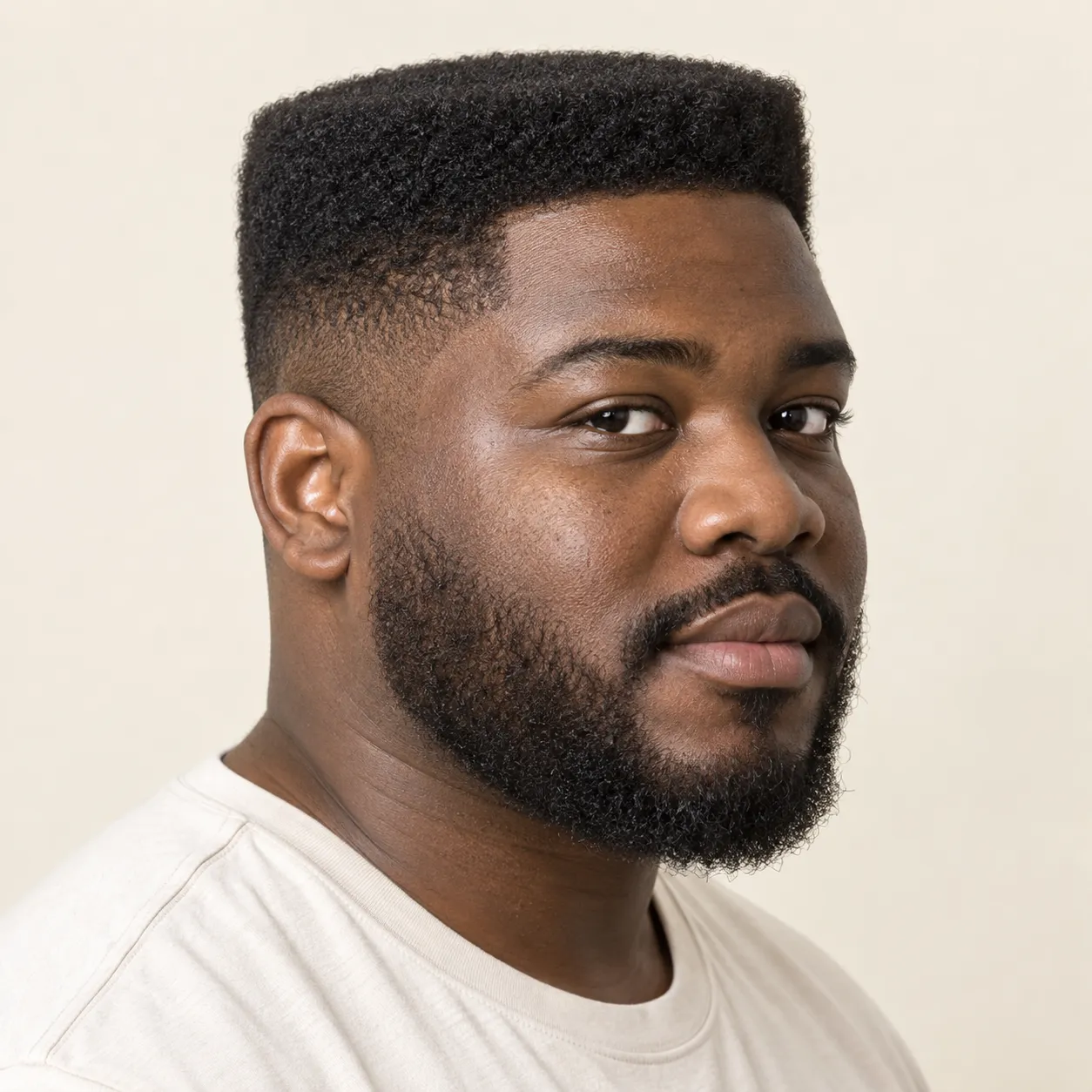
Reference gallery
Different ways it can read
Generated references show design details, not a real person or a diagnostic hair type.
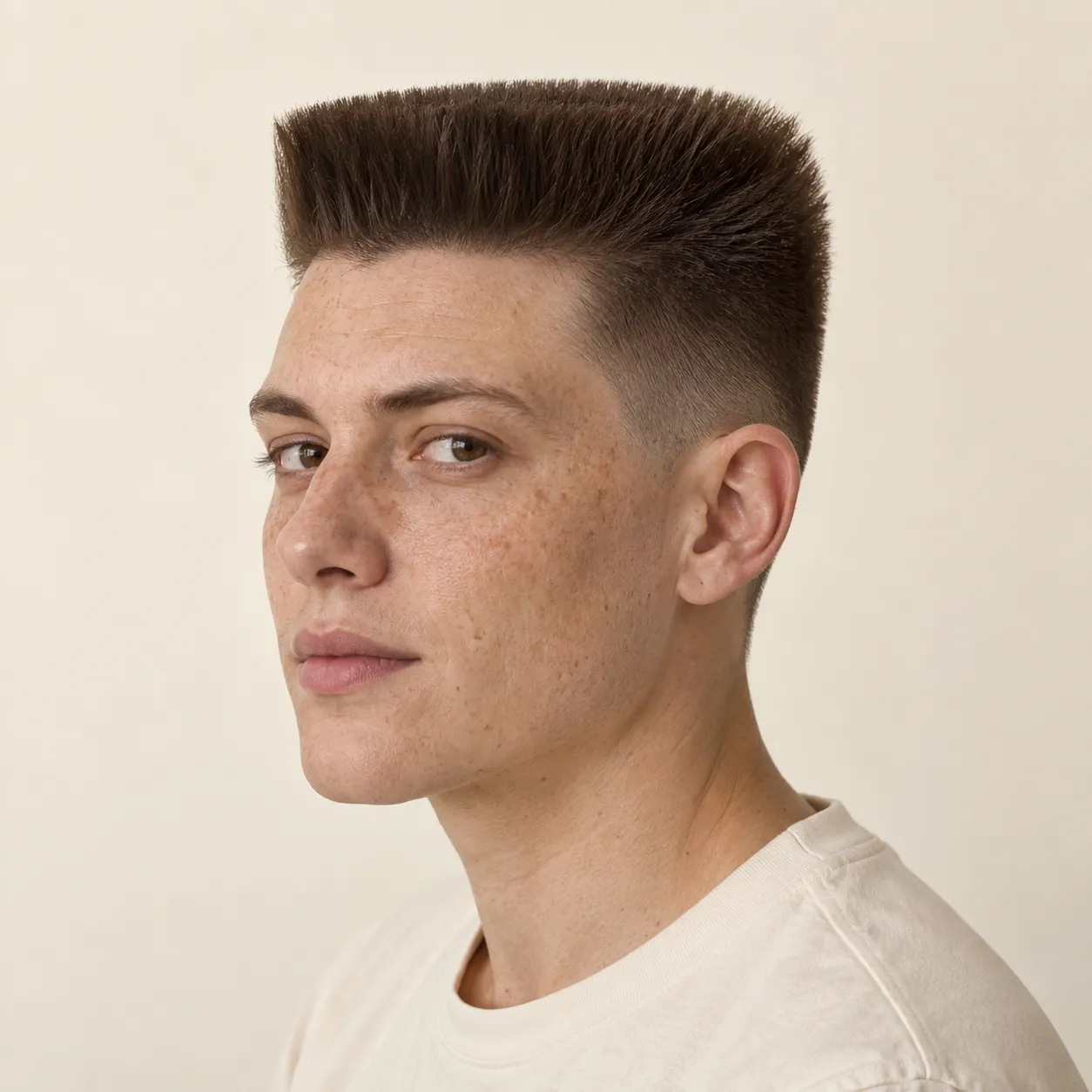
Variations
Choose the details
Low flat top
Keeps the top plane close to the head for a restrained, compact silhouette like the selected 2011 appearance reference.
Higher top
Sets the top plane farther above the scalp for a taller, more graphic shape; confirm how much daily direction or product is acceptable.
Tapered or outlined sides
Pairs the plane with a gradual taper, short uniform sides, or a sharper outline around the temples, sideburns, and neckline.
Name the top height, plane direction, side length, and edge finish separately so the silhouette is clear before cutting.
- Should the top sit low and compact or rise higher for a more graphic silhouette?
- Should the plane read level, or should it follow an intentional slope or front-to-back direction?
- Do you want a taper, short uniform sides, or a sharper outline at the temples, sideburns, and neckline?
- Where does the hair change direction, and how much brushing or product are you willing to use to keep the top standing?
“I want a low flat top with a compact, squared plane, short graduated sides, and a natural neckline. Please show me the top height and side profile before taking it shorter, and tell me what daily styling it will need.”
What changes the result
Bring these variables
- Growth direction, cowlicks, head shape, and proportion can change where the plane needs to be adjusted; assess the hair in its usual dry, worn state.
- Texture and length affect how easily the top stands and whether the plane reads crisp, soft, stepped, or less level as it grows out. The barber should confirm the visual goal rather than treat any pattern as an exclusion.
- A higher or more sharply outlined shape may require more frequent maintenance and directed styling. Agree on a little extra length first when the desired height or hold is uncertain.
Pattern guidance
Explore by family
A flat plane can read clean and compact, but straighter hair may fall rather than stand; assess growth direction, length, and the styling or hold needed for the intended height.
Wave may soften the plane or add movement as it grows; agree on the intended height, direction, and amount of daily styling.
Curl can change the apparent height and crispness of the plane; use a reference and ask how much length and hold will keep the desired outline.
Coily texture can support a strong silhouette while still changing with shrinkage and growth direction; confirm the plane and side finish without treating the family as a guarantee.
Related guides
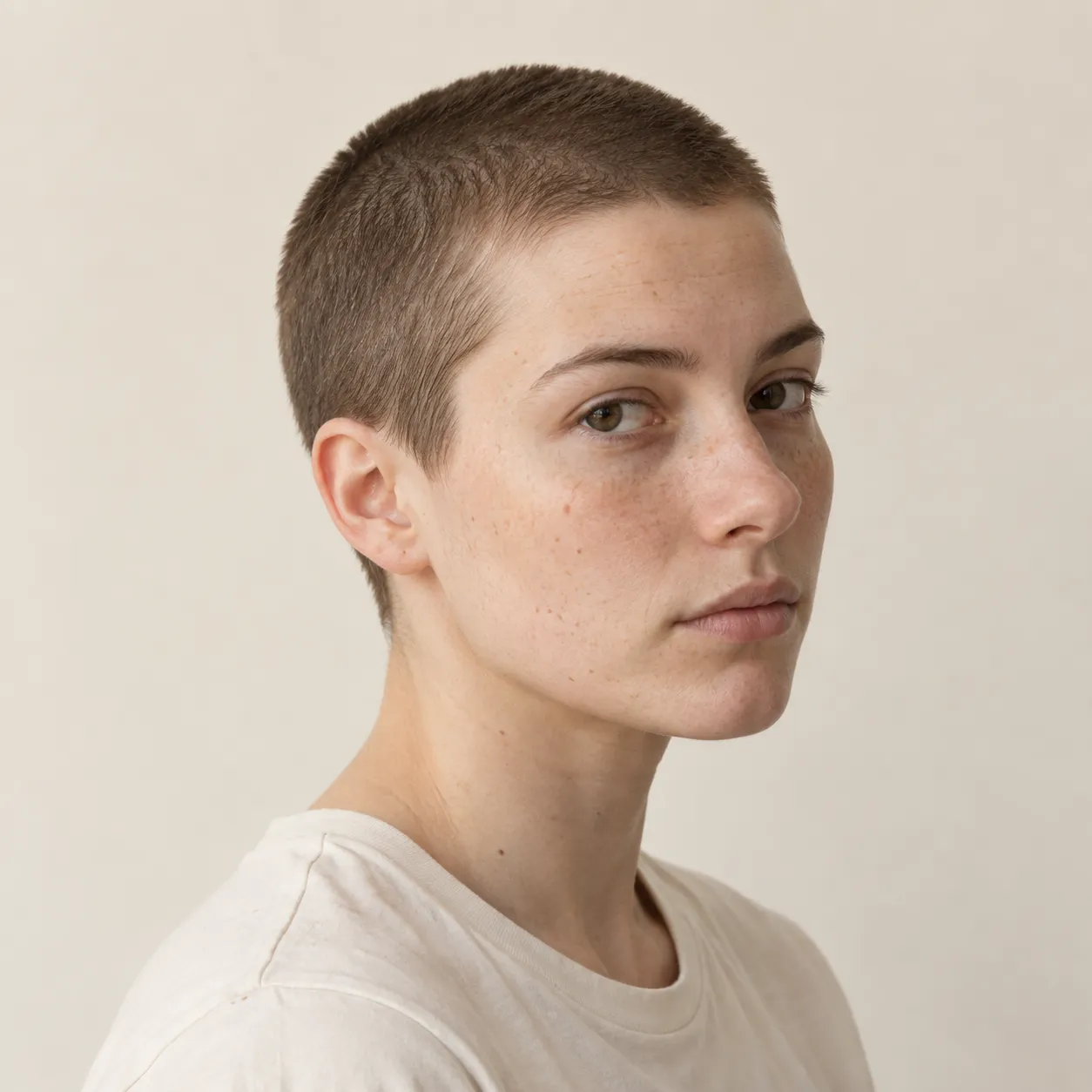
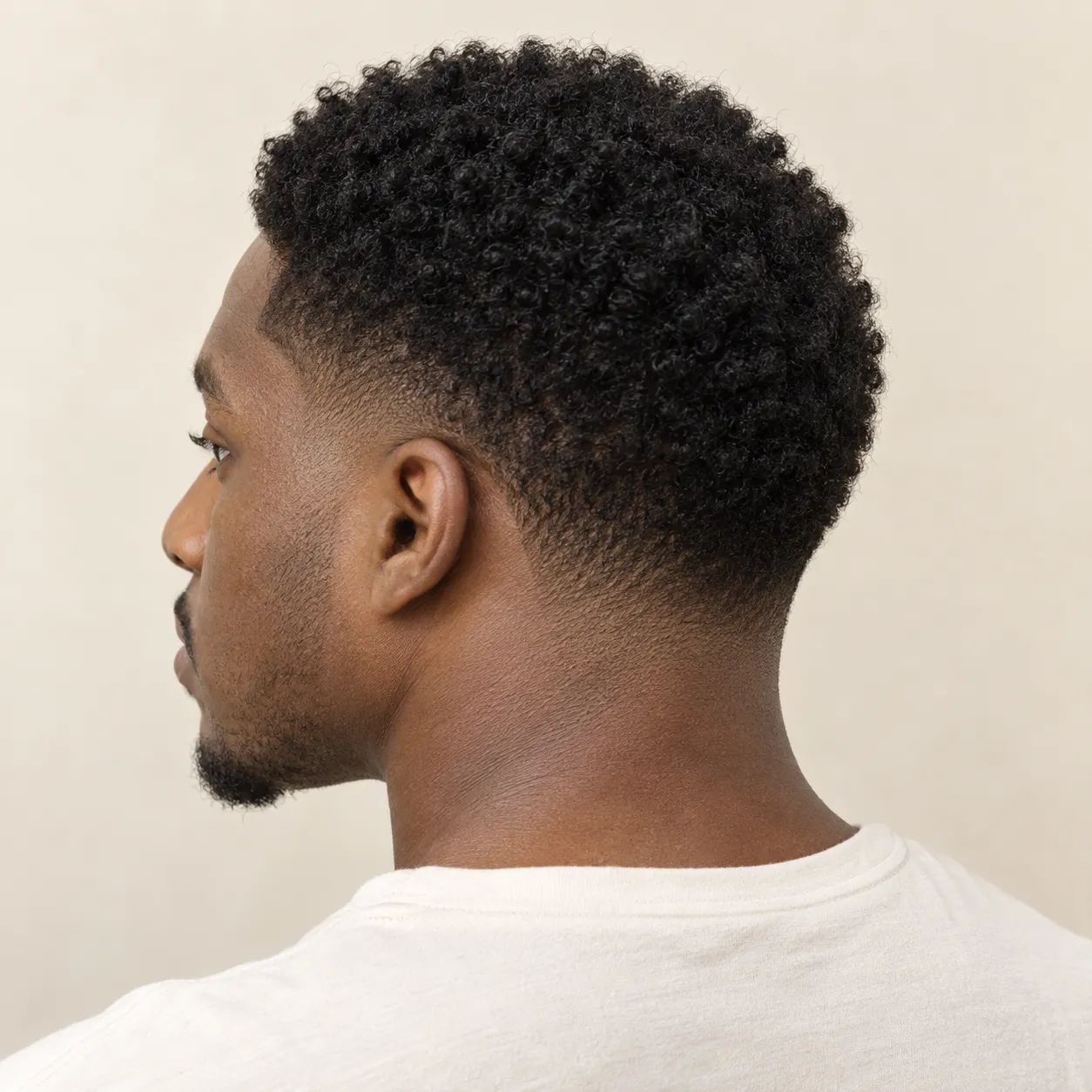
Dated person records
These links show a documented appearance where this style was observed. They are visual records, not universal definitions.
Sources reviewed
STEP-BY-STEP GUIDE FOR CUTTING HAIR · Wahl Professional · reviewed 2026-09-20
flat-top · Oxford Learner’s Dictionaries · reviewed 2026-09-21
flattop · Cambridge Dictionary · reviewed 2026-09-21
Essentials—Classic Clipper Cutting · Andis Education · reviewed 2026-09-21
Home Haircutting guide · Wahl Professional · reviewed 2026-09-21